
Signs of Congenital Heart Disease in Babies
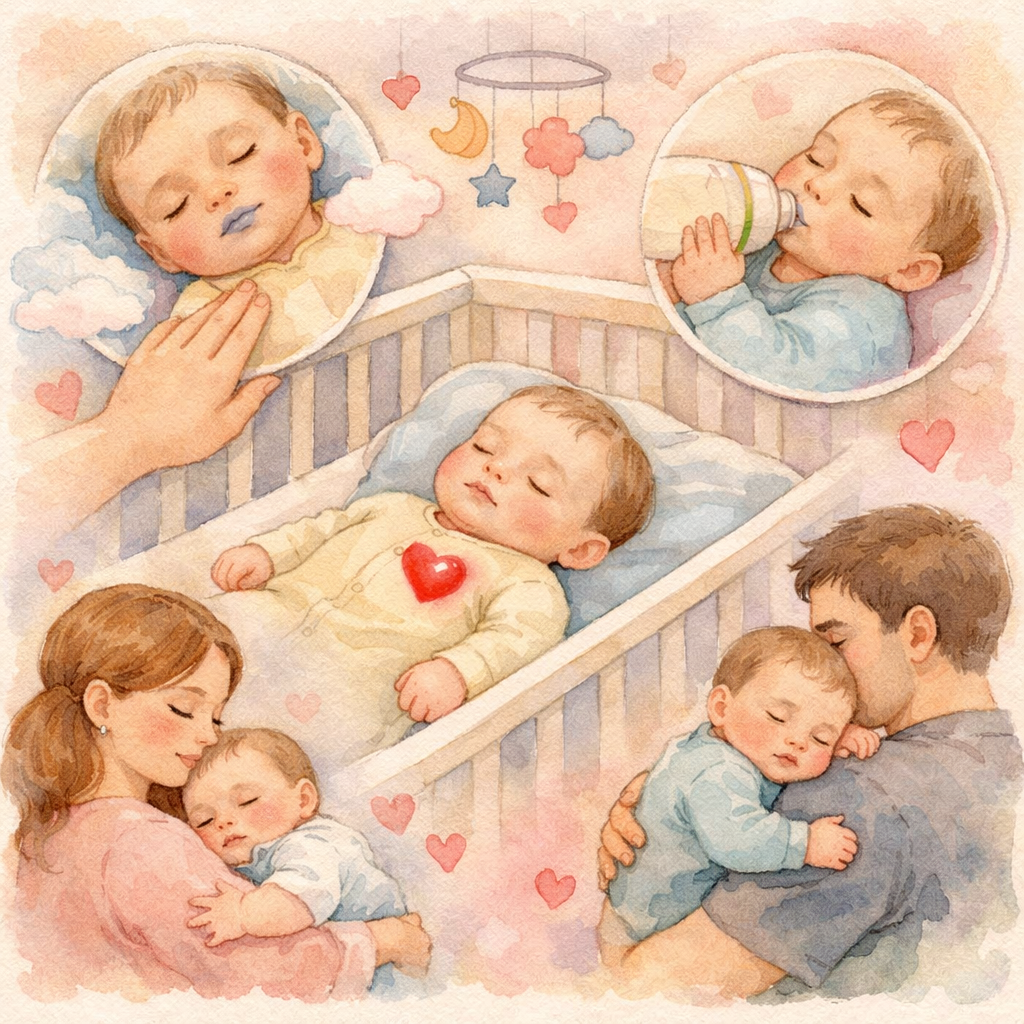
Congenital Heart Disease (CHD) is a group of heart conditions that babies are born with. These conditions affect how the heart forms and how blood flows through the heart and body.
CHD is the most common birth defect, affecting about 1 in every 100 babies. Some heart defects are mild, while others are more complex and may require surgery or ongoing medical care.
Recognizing the signs of congenital heart disease in babies can help families seek medical care as early as possible.
Difficulty Breathing
One of the signs of CHD in babies can be trouble breathing. This may appear as fast breathing, labored breathing, or a baby who seems to work harder than usual to breathe.
Some babies may also breathe quickly during feeding or while resting.
Bluish Skin or Lips
A bluish tint to the skin, lips, or fingernails—often called cyanosis—can happen when the blood is not carrying enough oxygen through the body. This can be a sign that the heart is not pumping oxygen-rich blood properly.
Poor Feeding
Babies with congenital heart disease may tire easily while feeding. They may struggle to finish bottles, take longer to eat, or fall asleep quickly during feeding.
Because feeding requires energy, heart problems can make it more difficult for babies to feed effectively.
Poor Weight Gain
If a baby is having trouble feeding or using extra energy due to heart strain, they may struggle to gain weight or grow at a normal rate.
Doctors often monitor weight gain closely when evaluating a baby’s health.
Excessive Sweating
Some babies with CHD may sweat more than expected, especially during feeding or crying. This can be a sign that their heart is working harder than normal.
Extreme Fatigue
Babies with certain heart defects may appear unusually tired, sleep more than expected, or seem less active than other babies.
When to Seek Medical Advice
If parents notice any of these symptoms or have concerns about their baby’s breathing, feeding, or growth, it is important to speak with a pediatrician. Doctors may recommend additional testing, such as an echocardiogram, to evaluate the baby’s heart.
Early diagnosis can help ensure babies receive the care and treatment they need.
Raising Awareness
At Opal’s Workshop of Love Project, raising awareness about congenital heart disease is an important part of our mission. Our daughter, Opal May, was born with a severe and complex congenital heart condition. Her story inspires our efforts to support families facing medical challenges and to spread awareness about CHD.
By sharing information and resources, we hope to help families recognize the signs of congenital heart disease and feel supported on their journey.
Every heart deserves care, and every child’s story matters