
How to Support a Friend Who Is Pregnant After Loss
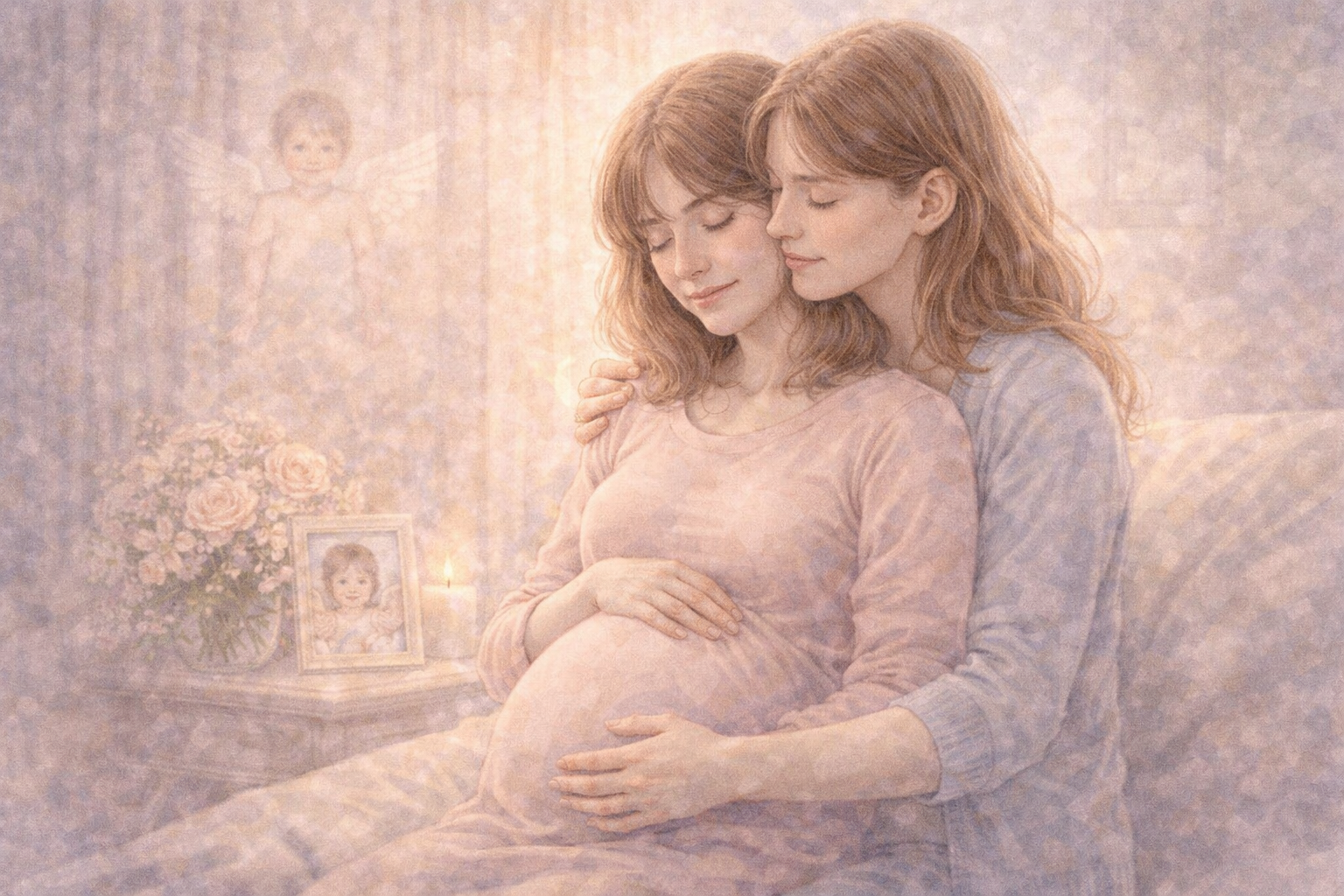
When someone becomes pregnant after losing a child, the journey can be filled with both hope and fear. While friends and family may feel excited for the growing baby, parents who have experienced loss often carry deep emotions that can make pregnancy feel complicated.
Understanding how to support someone during pregnancy after loss can make a meaningful difference in helping them feel seen, supported, and understood.
Recognize the Mixed Emotions
Pregnancy after loss is often described as living with two emotions at the same time: joy and fear. A parent may feel grateful for the new life growing while still grieving the child they lost.
It’s important to allow space for both emotions without judgment.
Listen Without Trying to Fix
Sometimes the most helpful thing you can do is simply listen. Your friend may want to share their worries, fears, or memories of the child they lost. Offering a supportive presence without trying to solve or minimize their feelings can be incredibly comforting.
Avoid Dismissing Their Fears
Even when everything appears to be going well, many parents experience anxiety during pregnancy after loss. Statements like “Everything will be fine” or “Try not to worry” may come from a place of kindness but can sometimes make parents feel like their fears are not understood.
Instead, acknowledging their feelings can help them feel supported.
Remember Their Child
One of the most meaningful ways to support a grieving parent is to remember the child they lost. Saying their child’s name or acknowledging their place in the family can bring comfort and reassurance that their child is not forgotten.
Offer Gentle Encouragement
Pregnancy after loss can make parents hesitant to celebrate milestones. Some may feel nervous buying baby items or sharing the news widely.
Offering gentle encouragement, patience, and understanding can help parents feel supported at their own pace.
Check In Often
Support should not only happen once. Pregnancy is a long journey, and continuing to check in with your friend throughout the months can remind them that they are not alone.
A simple message, phone call, or visit can mean a great deal.
Supporting With Compassion
The most important thing you can offer is compassion. Pregnancy after loss is a delicate journey, and having supportive friends can help parents feel less isolated.
At Opal’s Workshop of Love Project, we believe that families navigating grief and new beginnings deserve understanding, kindness, and community.
Your support can help remind parents that they do not have to walk this path alone.
Things Not to Say to Someone Pregnant After Loss
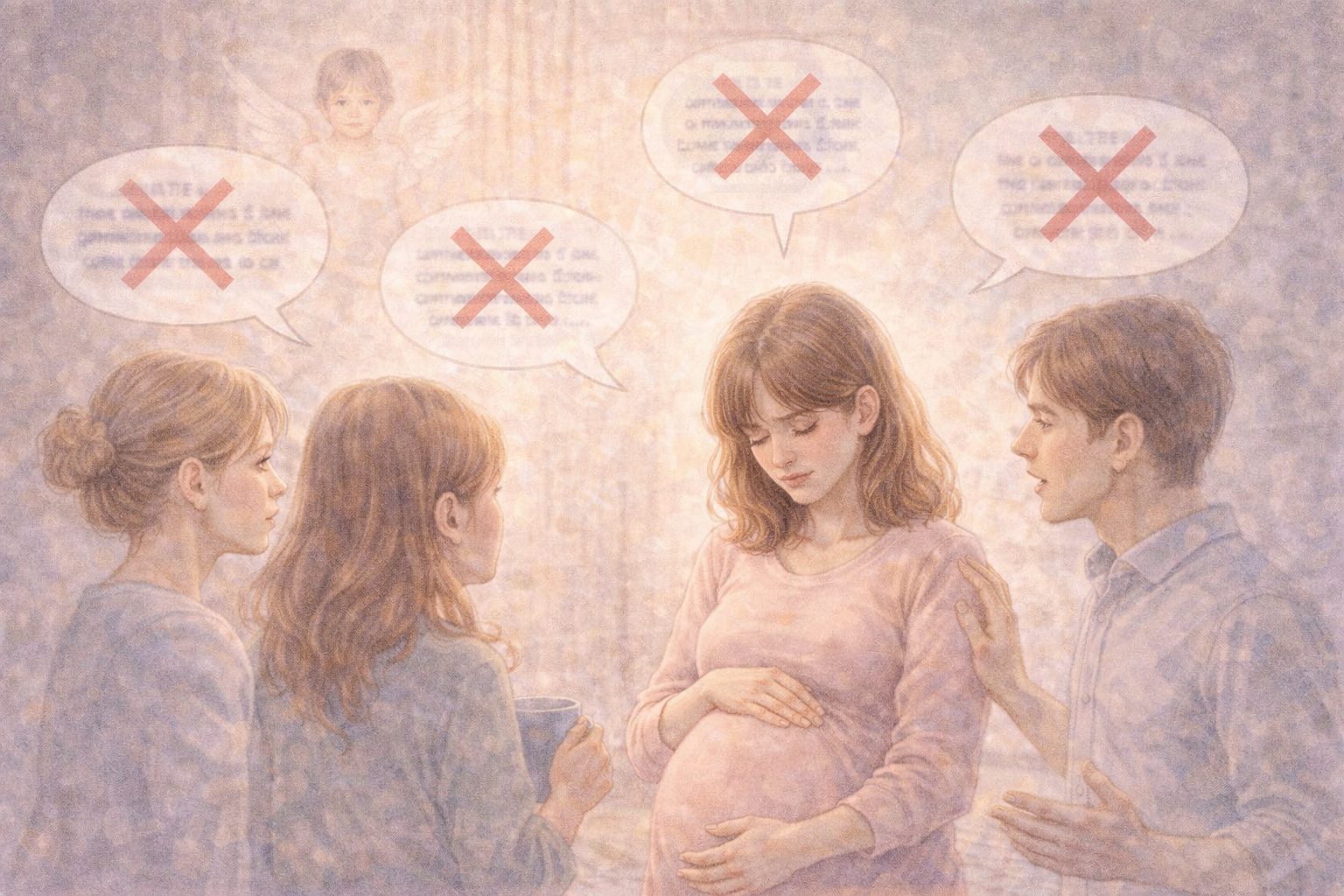
Pregnancy after losing a child can be filled with many emotions. While friends and loved ones may feel excited and hopeful, parents who have experienced loss often carry fear, anxiety, and grief alongside that hope.
Many people want to offer comfort but may not realize that certain phrases—though well-intended—can feel hurtful or dismissive. Understanding what not to say can help create a more supportive and compassionate environment.
“Everything will be fine this time.”
While meant to reassure, this phrase can unintentionally dismiss the fear that parents may still carry. After experiencing loss, many parents know that there are no guarantees, and hearing this may feel like their worries are being overlooked.
Instead, it can help to simply acknowledge their feelings and let them know you’re there to support them.
“You should be excited.”
Parents often want to feel excitement about their pregnancy, but grief and anxiety may make that difficult. Telling someone how they “should” feel can create pressure during an already emotional time.
It’s okay for parents to experience mixed emotions.
“At least you’re pregnant again.”
While pregnancy may bring hope, it does not erase the loss of the child who came before. Every child is unique and irreplaceable.
Recognizing the love parents still carry for their child who passed away is important.
“Try not to think about the worst.”
Parents who have experienced loss may find it difficult not to worry. Anxiety during pregnancy after loss is very common. Telling someone to simply stop worrying can make them feel misunderstood.
Offering patience and listening can be far more helpful.
“This baby will heal everything.”
A new baby does not replace the child who was lost, and grief does not disappear with another pregnancy. Parents can love their new baby deeply while still grieving the child they lost.
Both emotions can exist at the same time.
What Can You Say Instead?
Sometimes the most meaningful support comes from simple, compassionate words such as:
“I’m here for you.”
“How are you feeling today?”
“I’m thinking about you.”
“Your feelings are completely understandable.”
Allowing parents the space to share their emotions without judgment can make a tremendous difference.
At Opal’s Workshop of Love Project, we believe families navigating loss and pregnancy after loss deserve compassion, patience, and understanding. By learning how to support one another with kindness, we can help parents feel less alone on their journey.
Pregnancy after loss carries both remembrance and hope, and every parent deserves the support to walk that path in their own way.