
Understanding Congenital Heart Disease: Different Procedures
What Is the Norwood Surgery?
The Norwood procedure is the first of three major surgeries used to treat babies who are born with a condition called Hypoplastic Left Heart Syndrome (HLHS) or other heart defects where the left side of the heart is very small or underdeveloped.
The left side of the heart normally pumps oxygen-rich blood to the entire body. When it cannot do this job, doctors must create a new pathway for blood to reach the body.
The Norwood surgery helps rebuild the heart’s circulation so the right side of the heart can pump blood to both the lungs and the body.
This surgery is usually performed within the first week or two of life.
What Happens During the Surgery?
During the Norwood procedure, surgeons carefully reconstruct parts of the heart and major blood vessels so blood can flow properly.
In simple terms, the surgery:
• Creates a new main blood vessel (aorta) so blood can travel from the heart to the body
• Connects the right side of the heart to this new pathway so it can pump blood to the body
• Adds a small tube called a shunt to help blood reach the lungs to pick up oxygen
This new circulation allows oxygen-rich blood to reach the body while the baby grows stronger.
Why Is the Norwood Surgery Needed?
Without this surgery, babies with certain heart defects would not be able to get enough oxygen-rich blood to their bodies.
The Norwood procedure helps stabilize the heart and circulation, giving babies a chance to grow and prepare for the next stages of treatment.
The Three-Stage Heart Surgery Journey
For many babies, the Norwood procedure is the first step in a series of three surgeries.
These stages are:
Norwood Procedure
Usually done shortly after birthGlenn Procedure
Usually done around 4–6 months of ageFontan Procedure
Usually done around 2–4 years old
Each surgery continues to improve how blood flows through the heart and lungs.
What Recovery Can Look Like
After the Norwood surgery, babies usually stay in the Cardiac ICU (CICU) for close monitoring.
Every child’s recovery is different, but parents may see things like:
• breathing support
• feeding support
• medications
• monitoring tubes and wires
• a longer hospital stay
It can be a challenging time, but many babies grow stronger each day as their bodies adjust to the new circulation.
For Parents Walking This Journey
If your baby needs the Norwood surgery, you are likely facing a flood of emotions — fear, uncertainty, and many questions.
You are not alone.
Thousands of heart families have walked this road before you. With the help of skilled medical teams, strong communities, and incredible heart warriors, many children continue to grow, learn, and thrive.
Your baby’s journey may look different than others, but every step forward is a powerful one.
🤍 A Note from Our Community
At Opal’s Workshop of Love, we share congenital heart disease education so families can better understand the medical terms and surgeries they may hear during their child’s journey.
Knowledge can’t remove the fear, but it can help parents feel a little more prepared for what lies ahead.
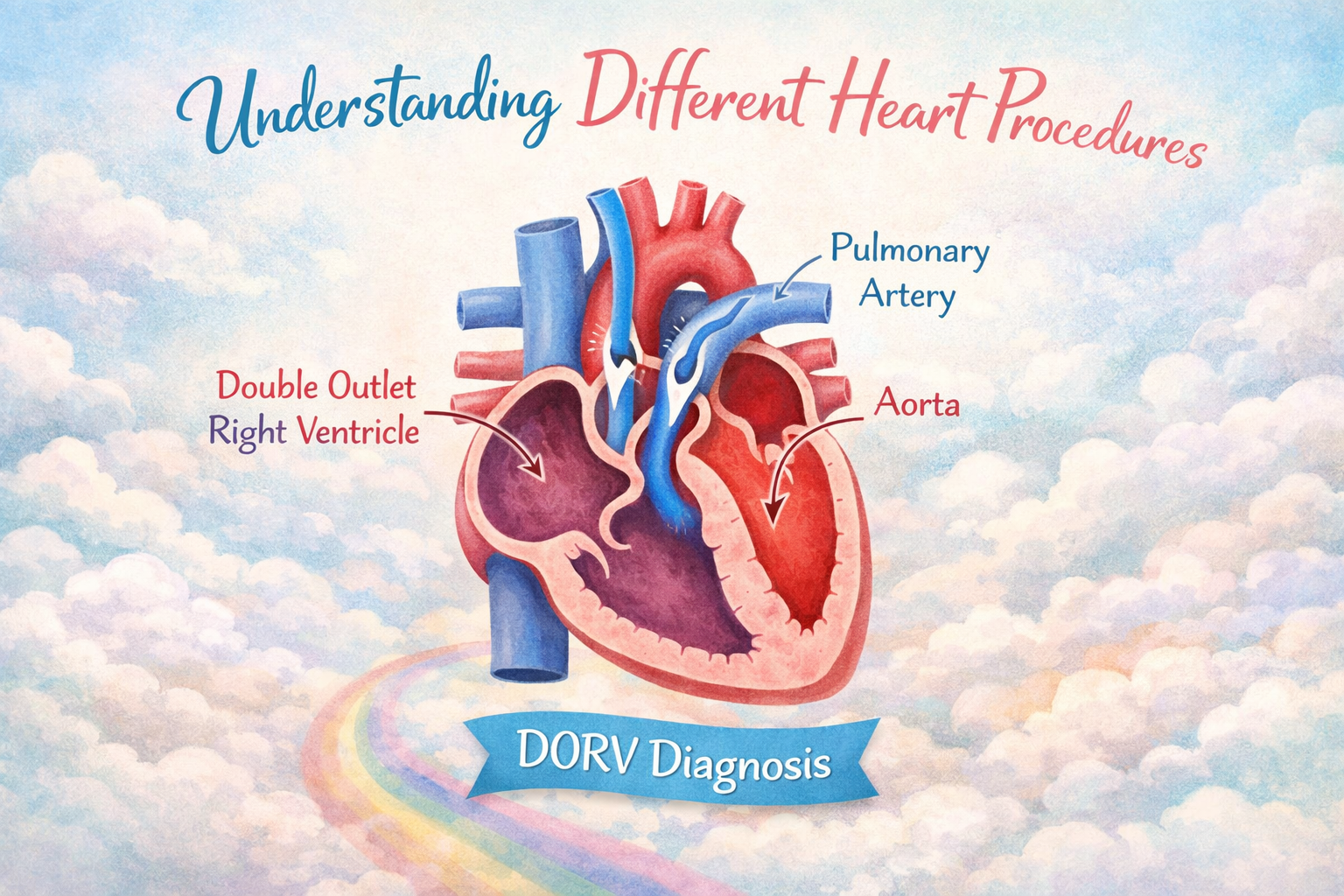
Can the Norwood Surgery Be Done for DORV or Single Ventricle Hearts?
The Norwood procedure is most commonly known as the first surgery used to treat Hypoplastic Left Heart Syndrome (HLHS). However, it may also be used for some babies who have other complex congenital heart defects.
This can include certain cases of:
• Double Outlet Right Ventricle (DORV)
• Single ventricle heart defects
• Other conditions where the left side of the heart cannot pump blood to the body
Every congenital heart defect is unique. Even when two babies share the same diagnosis, the way their hearts are formed can be different. Because of this, doctors carefully study each baby’s heart using imaging tests before deciding which surgery will work best.
Why Would the Norwood Be Used?
The Norwood procedure may be used when a baby’s heart cannot send enough oxygen-rich blood to the body.
In these situations, surgeons reconstruct the heart and major blood vessels so that one working ventricle can pump blood to the body.
The surgery helps create a circulation that allows the baby to grow and prepares them for the next stages of treatment.
The Single Ventricle Surgical Pathway
Many babies with complex heart defects, including some with DORV, follow what doctors call the single ventricle pathway.
This usually includes three surgeries:
Norwood Procedure – shortly after birth
Glenn Procedure – usually around 4–6 months old
Fontan Procedure – usually around 2–4 years old
These surgeries gradually change how blood flows through the heart and lungs so the body can receive enough oxygen.
Understanding the Glenn Surgery
A Parent-Friendly Guide
The Glenn procedure is the second surgery in a series of operations used to treat some babies born with complex congenital heart defects, especially those with single ventricle heart conditions.
For many families, the Glenn surgery comes after the Norwood procedure and before the Fontan surgery.
This stage helps improve how blood flows through the heart and lungs while reducing the amount of work the heart has to do.
When Is the Glenn Surgery Done?
The Glenn surgery is usually performed when a baby is around 4 to 6 months old, although the exact timing can vary depending on the child’s health and heart condition.
By this time, babies have often grown stronger since their first surgery.
What Does the Glenn Surgery Do?
In a typical heart, blood returning from the body travels through the heart before going to the lungs.
During the Glenn procedure, surgeons create a new pathway that allows some of this blood to go directly to the lungs without passing through the heart first.
In simple terms, the surgery:
• Connects a large vein called the superior vena cava (SVC) directly to the pulmonary arteries that lead to the lungs
• Allows blood from the upper part of the body to flow straight to the lungs to pick up oxygen
• Reduces the workload on the heart
This new pathway helps the heart pump blood more efficiently.
Why Is the Glenn Surgery Important?
Before the Glenn procedure, the heart often has to pump blood to both the lungs and the body, which can put a lot of strain on the heart.
The Glenn surgery helps by:
• Sending some blood to the lungs without the heart needing to pump it there
• Lowering pressure and workload on the heart
• Improving oxygen levels in the body
This helps babies grow stronger and prepares them for the next stage of surgery.
What Recovery May Look Like
After the Glenn surgery, babies are usually cared for in the Cardiac ICU so doctors and nurses can monitor them closely.
Parents may see things like:
• oxygen monitors
• IV medications
• breathing support
• feeding support
Every child’s recovery is different, but many babies begin to feel stronger as their circulation improves.
Understanding the Fontan Surgery
A Parent-Friendly Guide
The Fontan procedure is usually the third and final surgery in a series of operations used to treat children born with certain complex congenital heart defects, especially those with single ventricle heart conditions.
For many heart warriors, the Fontan surgery comes after the Norwood procedure and the Glenn surgery.
This surgery helps the body receive oxygen-rich blood more efficiently and allows the heart to work in a way that better supports long-term health.
When Is the Fontan Surgery Done?
The Fontan procedure is usually performed when a child is around 2 to 4 years old, although the timing may vary depending on the child’s health and how their heart is functioning.
By this stage, the child’s body has grown stronger after the earlier surgeries.
What Does the Fontan Surgery Do?
In children with a single ventricle heart, there is only one main pumping chamber doing the work that two chambers normally would.
The Fontan procedure helps by creating a circulation where blood returning from the body flows directly to the lungs without passing through the heart first.
In simple terms, the surgery:
• Routes the blood from the lower part of the body directly to the lungs
• Allows blood to reach the lungs without needing the heart to pump it there
• Lets the single working ventricle focus on pumping oxygen-rich blood to the body
This improves how oxygen moves through the body and reduces the amount of work the heart must do.
How It Builds on the Glenn Surgery
Before the Fontan procedure, the Glenn surgery already sends blood from the upper part of the body to the lungs.
The Fontan surgery completes the process by connecting the blood from the lower part of the body to the lungs as well.
Together, these surgeries create a circulation where most of the blood going to the lungs flows there naturally, instead of being pumped by the heart.
What Recovery May Look Like
After Fontan surgery, children are usually cared for in the Cardiac ICU so their medical team can monitor their heart, oxygen levels, and recovery.
Parents may see:
• oxygen monitors
• chest tubes
• IV medications
• breathing support at first
• a hospital stay while the body adjusts to the new circulation
Recovery is different for every child, but many children begin to gain energy and grow stronger over time.
Life After the Fontan
The Fontan procedure does not cure congenital heart disease, but it helps create a circulation that allows many children with single ventricle hearts to grow, play, learn, and experience life more fully.
Children who have had the Fontan surgery will continue to be followed by cardiologists throughout their lives.
For Parents Walking This Journey
Hearing that your child needs multiple heart surgeries can feel overwhelming. Each step — Norwood, Glenn, and Fontan — is part of a carefully planned pathway designed to help children with complex heart defects survive and grow.
While every heart warrior’s journey is different, many families find strength in the progress their children make along the way.
You are not alone in this journey. There is a strong community of heart families who understand this path.