
How Grief Affects Families and Siblings
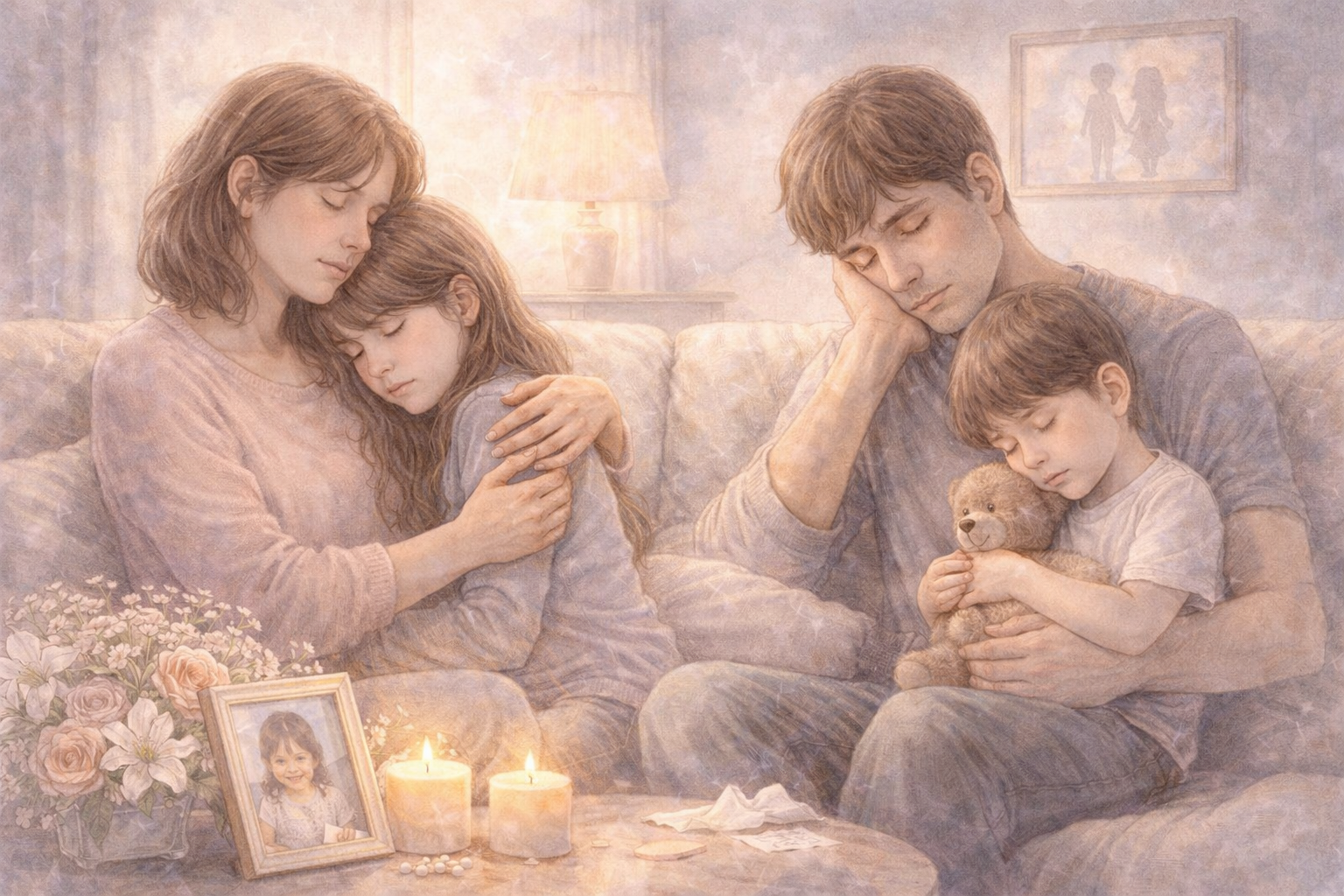
When a child dies, the loss touches every member of the family. While parents often carry the heaviest weight of grief, siblings and extended family members are also deeply affected. Each person processes the loss in their own way, and understanding these differences can help families support one another during such a difficult time.
Grief Looks Different for Everyone
Grief does not follow a single path. Within the same family, people may experience and express their grief very differently.
Some family members may want to talk about their feelings often, while others may struggle to find the words. Some may cry openly, while others may appear quiet or withdrawn. These differences can sometimes lead to misunderstandings, but they are a natural part of the grieving process.
How Siblings Experience Loss
For siblings, losing a brother or sister can be confusing and heartbreaking. Children may not fully understand what has happened, and their emotions may appear in ways that are different from adults.
Siblings might experience:
Sadness or loneliness
Anger or frustration
Fear about losing other loved ones
Changes in behavior or mood
Difficulty concentrating in school
Some children may ask many questions about death, while others may avoid talking about it altogether.
Helping Siblings Navigate Grief
Supporting siblings through loss often begins with open and honest communication. Giving children a safe space to ask questions and express their emotions can help them feel supported and understood.
Families can help siblings by:
Encouraging them to talk about their brother or sister
Reassuring them that their feelings are normal
Keeping routines when possible to create stability
Finding ways to remember and honor their sibling together
Sometimes creative outlets like drawing, writing letters, or creating memory boxes can help children express their feelings.
Supporting the Whole Family
Grief can put strain on families as everyone tries to cope with their own emotions. Being patient with one another and creating space for communication can help families stay connected during difficult moments.
Some families also find support through counseling, grief groups, or community resources that specialize in helping families navigate loss.
Honoring the Love That Remains
Even though grief changes a family forever, the love shared with the child who was lost continues to be part of the family’s story. Remembering their life, sharing stories, and honoring their memory can bring comfort and connection.
At Opal’s Workshop of Love Project, we believe that every child’s life matters and every family deserves compassion and support. Our hope is to provide comfort to families navigating both medical challenges and the deep grief that can follow loss.
No family should have to walk this journey alone.