
Younger Children and Grief: Helping Them Navigate Loss
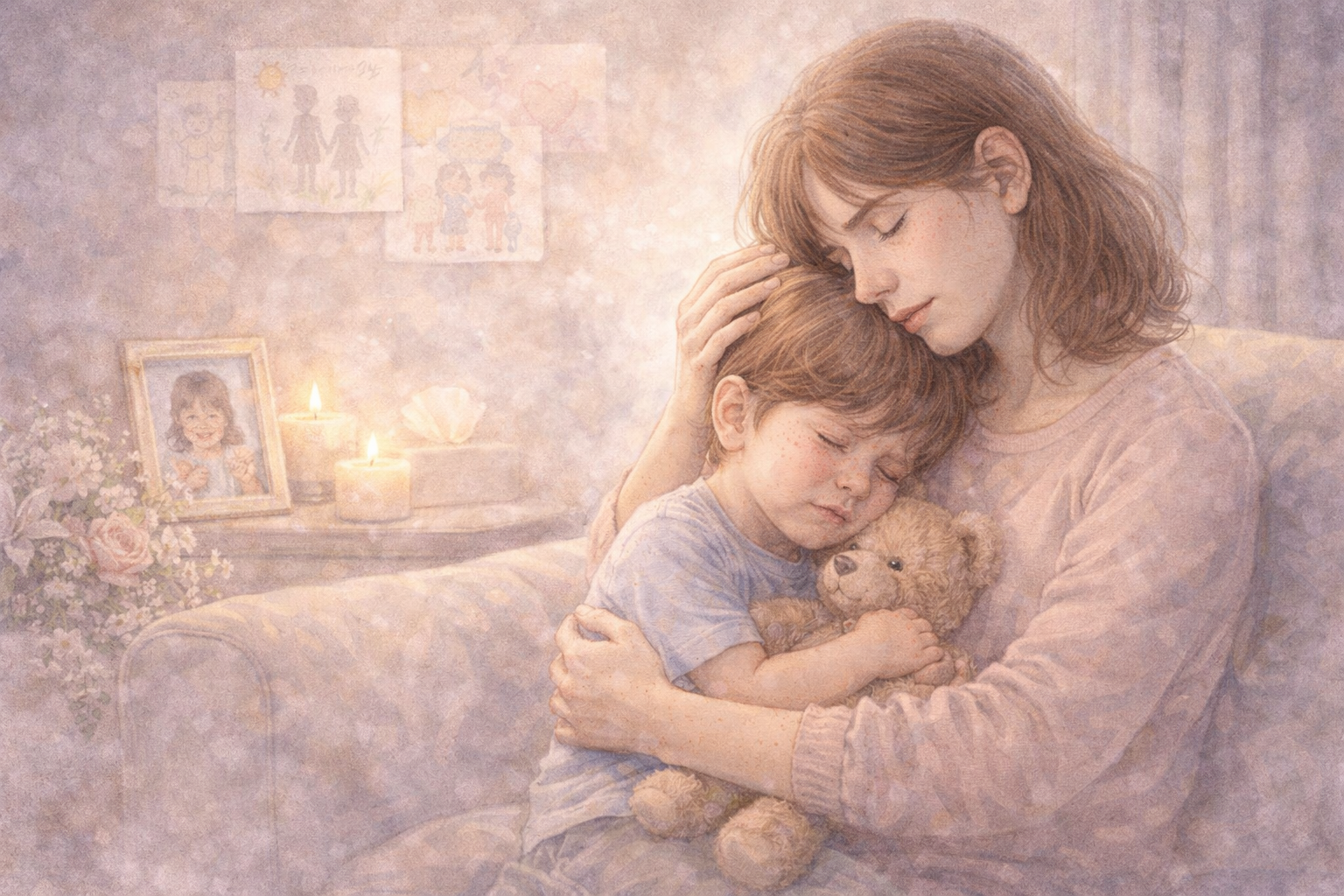
When a family experiences the loss of a child, younger siblings are also deeply affected. Children may not fully understand what death means, and their grief can look very different from the grief of adults.
Because of their age and stage of development, younger children may express their feelings through behavior, questions, or changes in mood rather than words.
How Young Children Experience Grief
Younger children often experience grief in small moments rather than all at once. They may seem sad one moment and then return to playing shortly afterward. This does not mean they are not grieving—it simply reflects how children process difficult emotions.
Some common ways young children may show grief include:
Asking repeated questions about what happened
Feeling confused about death
Changes in sleep or eating habits
Becoming more clingy with caregivers
Acting out or showing frustration
Periods of sadness or quietness
Children may also worry about whether other family members might leave or die as well. Offering reassurance and comfort can help them feel safe.
Talking to Children About Loss
Honest, simple conversations are often the most helpful. Using clear language and avoiding confusing phrases can help children better understand what has happened.
It can also help to encourage children to ask questions and share their feelings. Let them know that it is okay to feel sad, confused, or even angry.
Helping Children Remember
Finding ways to remember the child who has passed away can help younger siblings feel connected to them.
Families might do this by:
Sharing stories and memories
Looking at photos together
Drawing pictures or writing letters
Creating a memory box
Honoring birthdays or special days
These moments help children understand that their sibling will always remain an important part of the family.
Providing Stability
During times of grief, routines can be comforting for younger children. Keeping familiar daily routines—such as bedtime, meals, and school—can help provide a sense of safety and stability.
Seeking Support When Needed
If a child is struggling to cope, speaking with a counselor, child psychologist, or grief support group can be helpful. Many organizations specialize in helping children process grief in healthy ways.
A Family Journey Through Grief
Grief changes a family, but it also brings opportunities for compassion, understanding, and connection. Supporting younger children with patience, honesty, and love can help them navigate loss while feeling safe and supported.
At Opal’s Workshop of Love Project, we believe that every family deserves support during life’s most difficult moments. By sharing resources and compassion, we hope to help families feel less alone as they walk through grief together.